 Pin It
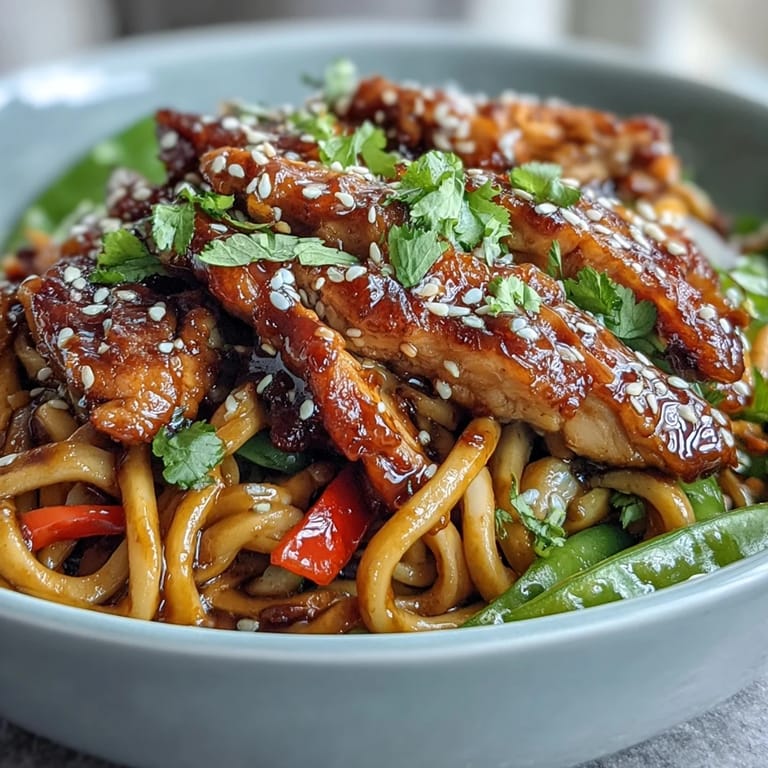
 There's something about the smell of sesame oil hitting a hot pan that makes you pause mid-conversation and just breathe it in. I discovered this bowl on a Tuesday night when I had leftover chicken, a handful of vegetables, and the urge to make something feel restaurant-quality without overthinking it. The magic happens when you let that brown sugar and ginger sauce coat everything together, and suddenly a weeknight dinner tastes like it took hours to plan.
I made this for my neighbor last summer when she dropped by during that chaotic week before her move. She'd been surviving on takeout and stress, and watching her actually sit down and eat something warm that she didn't have to order felt like a small win. She texted me three days later asking for the recipe, which told me everything I needed to know about how this bowl hits different.
Ingredients
- Chicken breast or thighs, thinly sliced (500 g): Thighs stay juicier if you're not watching the heat like a hawk, but breast works if you slice it thin and don't leave it on the pan too long.
- Dried udon, soba, or rice noodles (250 g): Choose based on what you have or what texture appeals to you, but don't skip the cold rinse after cooking or they'll clump together.
- Red bell pepper, thinly sliced (1 whole): The brightness matters both visually and in flavor, and thin slices mean it stays snappy instead of wilting into submission.
- Carrot, julienned (1 medium): A vegetable peeler works just as well as a knife if you're short on time, and the thin pieces cook perfectly in 2-3 minutes.
- Sugar snap peas, trimmed (100 g): These are the texture keepers of this bowl, so don't abandon them in the pan hoping they'll soften more.
- Spring onions, sliced (2 whole): Save these for the very end so they stay bright and slightly crisp rather than turning into wilted strings.
- Low-sodium soy sauce (60 ml): Low-sodium lets the other flavors sing without overpowering everything with salt, which is a lesson learned from one too many overly salty stir-fries.
- Brown sugar (2 tbsp): This is what rounds out the soy sauce and creates that addictive sweet-savory magic that keeps people coming back.
- Toasted sesame oil (1 tbsp): Real sesame oil is non-negotiable here, and a little goes a long way because the flavor is concentrated and beautiful.
- Rice vinegar (1 tbsp): This adds a subtle tang that prevents the sauce from feeling one-dimensional or cloying.
- Fresh ginger, grated (2 tsp): Fresh is absolutely worth it because dried ginger tastes like an echo of what this should be.
- Garlic, minced (2 cloves): Don't be tempted to skip this, as garlic adds a savory depth that balances the sweetness perfectly.
- Cornstarch, optional (1 tsp): Use this if you like a silkier sauce that clings to the noodles, but skip it if you prefer things lighter.
- Toasted sesame seeds (2 tbsp): These are the final touch that adds nutty flavor and a little textural interest that feels intentional.
- Fresh coriander or cilantro, chopped (small handful): A bright herb that makes the whole bowl feel fresher and more alive at the end.
- Lime wedges, optional (1 lime): A squeeze of lime right before eating adds a dimension that ties everything together.
Tired of Takeout? 🥡
Get 10 meals you can make faster than delivery arrives. Seriously.
One email. No spam. Unsubscribe anytime.
Instructions
- Cook the noodles until just tender:
- Follow your package directions, then drain and rinse under cold water so they stop cooking and stay separate rather than turning into a clump. This step takes just a few minutes but saves you from a texture disaster later.
- Whisk the sauce together in a small bowl:
- Combine soy sauce, brown sugar, sesame oil, rice vinegar, ginger, garlic, and cornstarch if using, and set it beside your stove so it's ready when you need it. This is the moment everything's organized and you feel in control of what comes next.
- Heat your skillet or wok over medium-high heat:
- Add a splash of oil and let it shimmer, which means it's hot enough to sear the chicken properly without steaming it. You'll hear a satisfying sizzle when the chicken hits the pan.
- Cook the chicken until golden and cooked through:
- This takes about 4-5 minutes, and you're looking for color on the edges and no pink inside. Don't crowd the pan or move it around too much, as that's what creates that restaurant-quality sear.
- Stir-fry the vegetables quickly and confidently:
- Add bell pepper, carrot, and snap peas to the same pan with a little more oil if needed, and keep the heat high so they cook in 2-3 minutes while staying crisp. The sound of them hitting the hot pan is your signal that you're doing this right.
- Bring the chicken back and pour in the sauce:
- Toss everything together so the sauce coats all the noodles and chicken, then let it simmer for 1-2 minutes so the flavors marry and the sauce thickens slightly. This is when the kitchen smells absolutely incredible.
- Add the cooked noodles and spring onions:
- Toss everything one final time so the noodles warm through and everything's evenly coated, which should take about a minute. The spring onions stay bright and fresh because they're barely heated.
- Serve in bowls and garnish generously:
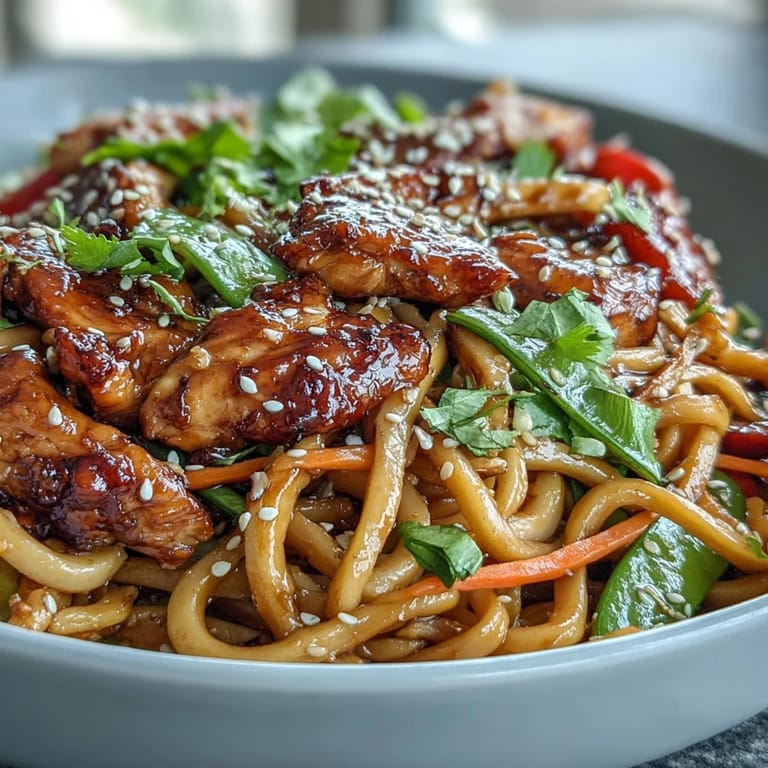
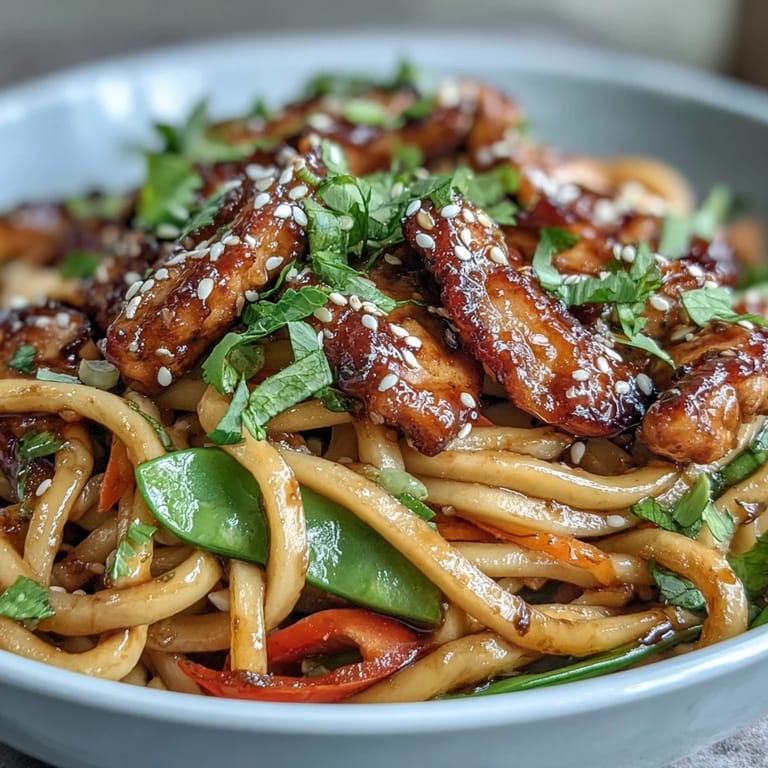
- Divide among bowls and top with sesame seeds, fresh coriander, and a lime wedge if you're using one. This is the moment where it stops being just food and becomes something that looks and tastes intentional.
 Pin It
 This bowl became my comfort food during a year when everything felt chaotic, and I realized food does that sometimes, it just quietly becomes part of your story. Something about the routine of slicing vegetables and building the bowl actually calmed my brain in a way I didn't expect.
Why This Sauce Changes Everything
The ratio of soy sauce to brown sugar to sesame oil is what makes this feel restaurant-quality instead of just acceptable. I spent a lot of time getting this balance right, and the discovery that low-sodium soy sauce lets you taste the ginger and garlic properly was a turning point. Once you understand how these four ingredients play together, you can adjust based on your mood, the season, or what you have on hand.
Making It Your Own Without Losing What Works
The beauty of this bowl is how flexible it is while still holding its identity. I've made it with tofu for vegetarian friends, added mushrooms and broccoli when those were what I had, and even drizzled a little chili oil on top when I wanted heat. The frame stays solid because of the sauce and noodles, so you can swap vegetables based on the season or your preferences without second-guessing yourself.
Storage and Reheating Tips
This is actually one of those dishes that gets better the next day because the flavors deepen, though the noodles will absorb the sauce so you might want to add a splash of water when reheating. Store leftovers in an airtight container in the fridge for up to three days, and reheat gently in a pan or microwave with a little extra soy sauce or water.
- Keep the sesame seeds and fresh coriander separate if you're storing leftovers, and add them fresh when you eat so they stay crisp.
- If you're meal-prepping, cook everything except the noodles and combine them on the day you want to eat, since warm noodles in sauce turn mushy overnight.
- A squeeze of lime juice right before eating always lifts the flavors back up, even on day three.
 Pin It
 This bowl exists in that perfect space where it's easy enough for a weeknight but tasty enough to feel special, and honestly, that's the kind of recipe that earns permanent real estate in your rotation. Make it once and it'll become something you reach for again and again.
Recipe Questions & Answers
- → What type of noodles work best for this dish?
Udon noodles offer a thick, chewy texture that holds the sauce beautifully. Soba noodles provide a nutty flavor and work well for a lighter option. Rice noodles are naturally gluten-free and absorb flavors quickly. Choose based on your texture preference and dietary needs.
- → Can I make this dish ahead of time?
The sauce can be whisked together up to 3 days in advance and stored refrigerated. Cooked noodles and vegetables are best served immediately, but leftovers keep well for 2-3 days. Reheat gently with a splash of water to refresh the sauce.
- → How do I prevent the sauce from becoming too salty?
Use low-sodium soy sauce as specified. Taste the sauce before adding to the pan and adjust with water or additional brown sugar if needed. The sauce concentrates slightly as it simmers, so start with less sodium than you think necessary.
- → What vegetables can I add or substitute?
Broccoli florets, sliced mushrooms, shredded cabbage, baby corn, or bok choy all work beautifully. For a crunchier texture, add water chestnuts or bamboo shoots. Adjust cooking times—heartier vegetables like broccoli may need an extra minute or two.
- → Is there a way to add more protein?
Stir in edamame beans during the last 2 minutes of cooking, top with crushed peanuts or cashews for garnish, or serve with a side of grilled shrimp. For extra chicken, increase the portion to 750g and cook in batches to avoid overcrowding the pan.
- → How can I make this dish gluten-free?
Replace soy sauce with tamari or coconut aminos. Use rice noodles or verify your udon and soba are made from 100% buckwheat. Most other ingredients are naturally gluten-free, but always check labels on packaged items like sauces.