 Pin It
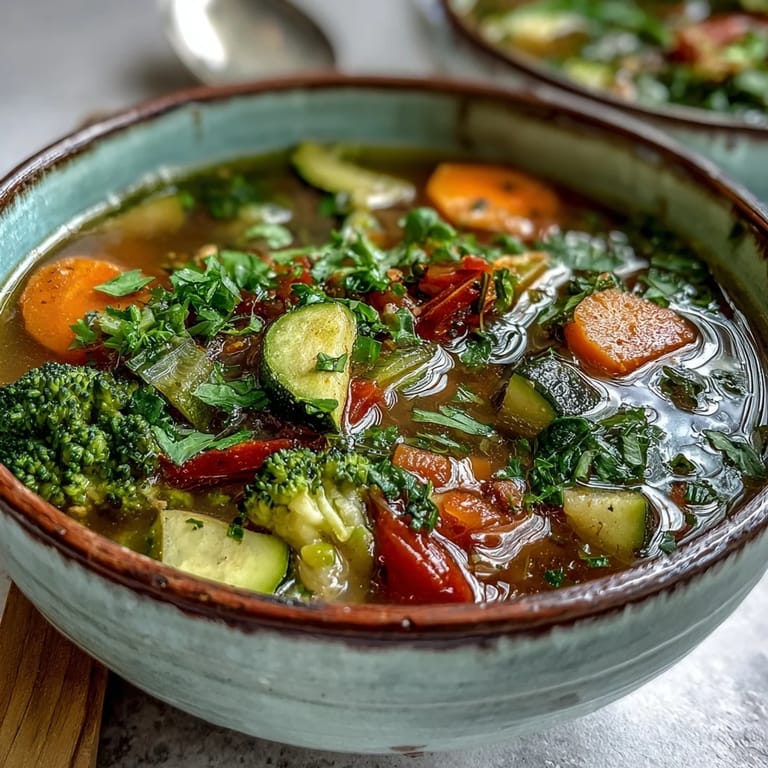
 My neighbor stopped by one chilly afternoon with a head cold, and I found myself reaching for ginger without thinking twice. There's something almost instinctive about simmering fresh ginger with vegetables when someone needs comfort, and watching her face soften as the aroma filled my kitchen reminded me why this soup has become my go-to. It's bright, warming, and honest—the kind of dish that feels like it's doing something good for you while you're eating it.
I made this for a dinner party where someone casually mentioned they were vegan, and instead of panicking, I realized I'd already planned a meal that worked perfectly. That moment of accidental alignment—when a dish fits everyone at the table without fuss—felt like the small magic that keeps people coming back to cook the same things.
Ingredients
- 1 medium onion, diced: This is your flavor foundation; don't skip the sauté step or you'll miss the sweetness that develops.
- 2 carrots, peeled and sliced: Natural sweetness balances the ginger's heat, and they soften just right in thirty minutes.
- 2 celery stalks, sliced: They add depth that you won't notice until you taste a batch without them.
- 1 red bell pepper, diced: The brightness here cuts through richness and adds color that makes the bowl more inviting.
- 1 zucchini, diced: Keep the pieces small or it becomes the dominant flavor; this is meant to be supporting cast.
- 2 cups broccoli florets: Break them into bite-sized pieces so they cook evenly and don't turn to mush.
- 2 tbsp fresh ginger, peeled and grated: This is non-negotiable—buy it fresh and grate it yourself for that sharp, bright heat that bottled versions can't match.
- 3 garlic cloves, minced: Mince them fine so they integrate into the broth rather than sitting as chunks.
- 6 cups vegetable broth: Quality matters here since it's your base; a flavorful broth makes the whole soup sing.
- 1 tbsp olive oil: Just enough to build flavor without making the soup heavy.
- 1 tsp sea salt and 1/2 tsp freshly ground black pepper: Start conservative and taste as you go; you can always add more.
- 1 tbsp soy sauce or tamari (optional): The secret ingredient that adds umami depth and makes people ask what makes this taste so complete.
- Fresh cilantro or parsley for garnish: The herbs lift the entire dish at the very end, so don't skip them.
- 1 tsp toasted sesame oil (optional): A drizzle transforms this from everyday to something with real presence.
Tired of Takeout? 🥡
Get 10 meals you can make faster than delivery arrives. Seriously.
One email. No spam. Unsubscribe anytime.
Instructions
- Warm your foundation:
- Heat the olive oil in a large pot over medium heat, then add your diced onion, carrots, and celery. Let them soften for about five minutes, stirring occasionally so nothing catches or browns—you're building a gentle base, not caramelizing.
- Wake up the aromatics:
- Once the vegetables have softened, add your minced garlic and grated ginger, stirring constantly for two minutes. Your kitchen will smell alive; this is the moment you know you're on the right track.
- Layer in color and texture:
- Add the bell pepper, zucchini, and broccoli florets, cooking for three more minutes so they start to warm through. The broccoli will smell slightly sulfurous, which is exactly what you want.
- Build the broth:
- Pour in your vegetable broth and bring everything to a boil, then immediately reduce the heat to a gentle simmer. This is when the pot becomes less active and more meditative.
- Season and simmer:
- Add your salt, pepper, and soy sauce if using it, then let the soup bubble softly for fifteen to twenty minutes until the vegetables are tender but still hold their shape. Taste it halfway through and adjust—this is your soup, not mine.
- Finish with grace:
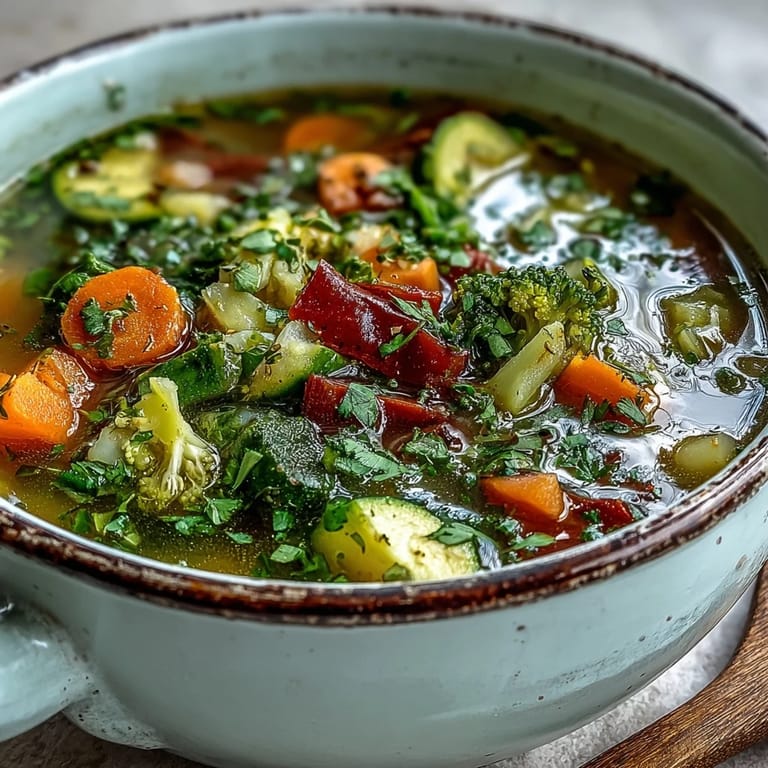
- Ladle the soup into bowls and drizzle with sesame oil if you have it, then scatter fresh herbs on top. Let people see what they're about to eat.
 Pin It
 There was an evening when my daughter decided she liked vegetables for the first time, and she was holding the spoon in this soup, asking for another bowl. Small moments like that don't make headlines, but they reshape how you think about feeding people.
Vegetable Swaps and Substitutions
This soup thrives on flexibility because the ginger and broth are strong enough to support whatever vegetables you have on hand. I've made it with mushrooms for earthiness, added spinach at the end for a subtle green note, and once threw in snap peas when I was trying to use up my farmers market haul. The only rule I follow is keeping the total volume around six to seven cups of vegetables so the broth stays balanced and flavorful.
Making It More Substantial
When I want this to feel more like a main course, I stir in cooked lentils or crumbled tofu about five minutes before serving, letting them warm through and absorb the ginger-forward broth. I've also ladled this over rice noodles or served it alongside crusty bread, turning a simple soup into something that feels more intentional and complete.
Storing and Reheating
This soup keeps beautifully in the refrigerator for up to four days, and something almost magical happens as it sits—the flavors deepen and the ginger becomes more integrated rather than sharp. I store it without the herbs and sesame oil, then add those fresh elements when I'm ready to eat, which keeps the finish bright and prevents the cilantro from turning dark and unappetizing.
- Reheat gently over medium heat rather than blasting it in the microwave so the vegetables don't soften further.
- If the soup thickens as it cools, thin it with a splash of vegetable broth to restore its original silky consistency.
- Taste and re-season after reheating, as flavors can shift slightly once the soup has been stored.
 Pin It
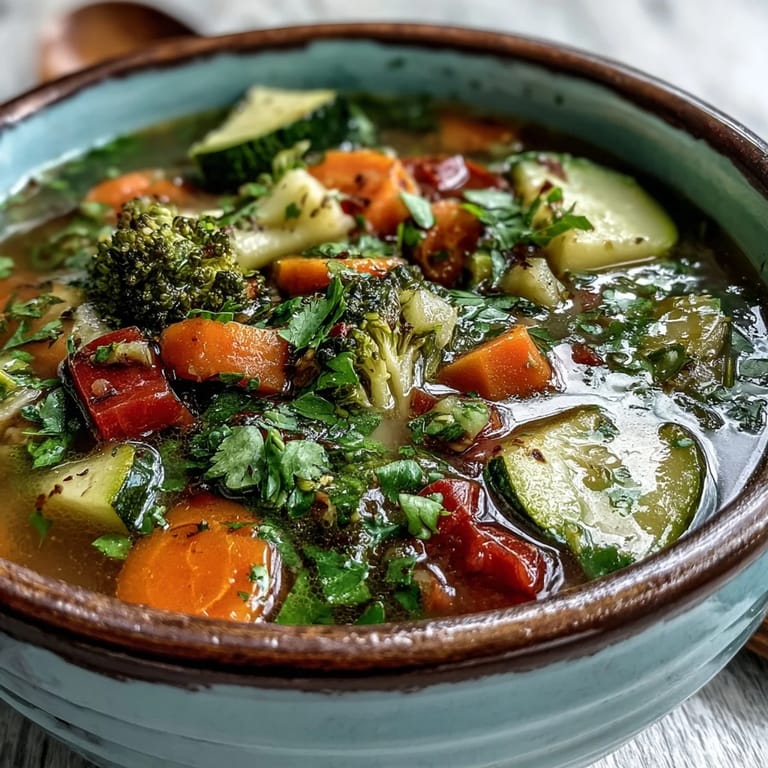
 This soup has taught me that the simplest meals often carry the most intention, and there's real beauty in something that nourishes without demanding anything complicated from you. Make it when you need comfort, make it when you have vegetables to use up, make it because someone you care about could use something warm.
Recipe Questions & Answers
- → Can I use frozen vegetables instead of fresh?
Yes, frozen vegetables work well in this soup. Add them directly to the broth without thawing, but reduce the simmering time by about 5 minutes since frozen vegetables cook faster.
- → How do I store leftover soup?
Store cooled soup in an airtight container in the refrigerator for up to 4 days. Reheat gently on the stovetop or in the microwave. The soup also freezes well for up to 3 months.
- → Can I make this soup spicier?
Absolutely! Add red chili flakes, fresh sliced jalapeños, or a dash of sriracha to increase the heat level. Start with small amounts and adjust to your preference.
- → What can I substitute for vegetable broth?
You can use chicken broth for a non-vegan version, or make your own broth using vegetable scraps. In a pinch, use water with extra seasonings, though the flavor will be milder.
- → How can I make this soup more filling?
Add cooked quinoa, rice noodles, or cubed tofu to make the soup heartier. Cooked lentils or chickpeas also work wonderfully and boost the protein content significantly.
- → Is fresh ginger necessary or can I use ground ginger?
Fresh ginger provides the best flavor and aroma, but you can substitute with 1 teaspoon of ground ginger if needed. Add it with the other spices for best results, though the taste will be slightly different.