 Pin It
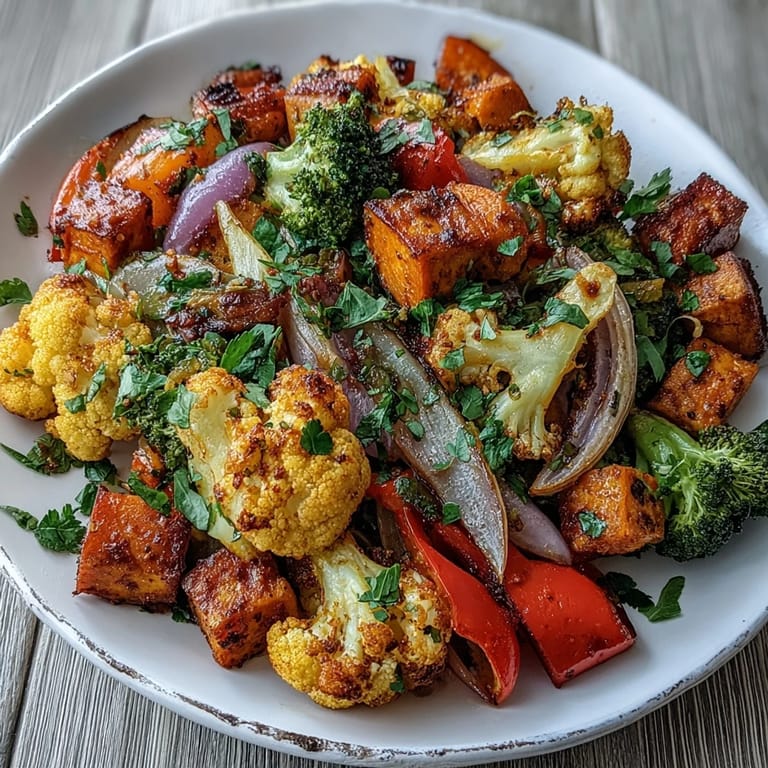
 My neighbor stopped by one afternoon with a jar of golden turmeric powder and this knowing smile, insisting I had to try roasting vegetables with it. She mentioned her mother swore by it for joint pain, and something about the way she described the warm spice coating everything made me curious. That first tray came out of the oven smelling like a spice market at sunset, and I was sold before I even took a bite.
I made this for my sister's book club last month, and someone actually asked for the recipe before dessert was served. That's when I realized this wasn't just a healthy side dish anymore - it had become the thing people talked about and requested. Now I make double batches because half disappears before anyone even sits down.
Ingredients
- Cauliflower florets (2 cups): They get wonderfully caramelized in the high heat, turning nutty and almost sweet if you don't move them around too much.
- Broccoli florets (2 cups): The smaller pieces get crispy and crunchy, which I actually prefer to the tender florets.
- Sweet potato, peeled and cubed (1 large): This is your sweetness anchor and keeps everything from feeling too savory or spice-heavy.
- Carrots, sliced (2 medium): They soften just enough to lose the raw bite but stay firm enough to hold their shape.
- Red bell pepper, cut into chunks (1): Adds brightness and a subtle natural sweetness that plays well with the turmeric.
- Red onion, cut into wedges (1 small): The heat mellows out the sharp bite and brings a gentle caramelized flavor.
- Extra-virgin olive oil (2 tbsp): Use the good stuff here because you taste it directly - it's not hidden behind other ingredients.
- Ground turmeric (1 ½ tsp): The star of the show, earthy and warm, and it stains everything yellow so fair warning on your cutting board.
- Ground cumin (1 tsp): Adds earthiness and depth without overpowering the turmeric.
- Ground coriander (½ tsp): Brings a subtle citrus note that brightens the whole dish.
- Smoked paprika (½ tsp): This gives a hint of smoke and complexity without heat.
- Ground black pepper (¼ tsp): A pinch goes a long way in helping your body actually absorb the turmeric.
- Sea salt (¾ tsp): Season generously at the start so the spices wake up and bloom together.
- Lemon juice (1 tbsp): Squeeze it on right after roasting to cut through the richness and add brightness.
- Fresh cilantro or parsley (2 tbsp, optional): The herbs are optional but worth it - they add freshness that makes you feel like you're eating something alive.
Tired of Takeout? 🥡
Get 10 meals you can make faster than delivery arrives. Seriously.
One email. No spam. Unsubscribe anytime.
Instructions
- Get your oven ready and prep the vegetables:
- Preheat to 425°F and line your baking sheet with parchment paper - this prevents sticking and makes cleanup almost joyful. While it heats, chop your vegetables into similar-sized pieces so they roast evenly.
- Combine the vegetables in a large bowl:
- Toss them together so you get a nice mix of colors and textures ready to catch the spices.
- Make the spice blend:
- Whisk together the olive oil, turmeric, cumin, coriander, paprika, black pepper, and salt in a small bowl until you have a paste-like consistency. The oil helps the spices stick and distribute evenly.
- Coat everything thoroughly:
- Pour the spice mixture over the vegetables and use your hands or two spoons to toss until every piece is touched with that golden coating. This takes a minute or two, but it's worth being thorough.
- Spread on the baking sheet in a single layer:
- Don't crowd them or pile them up - they need space to roast and develop those crispy edges. If needed, use two baking sheets.
- Roast until golden and tender:
- After about 15 minutes, give the vegetables a gentle stir so they cook evenly and don't stick. You're looking for soft interiors and caramelized, slightly darkened edges, which takes about 25 to 30 minutes total.
- Finish with brightness:
- Drizzle with lemon juice and scatter the fresh herbs over top right as they come out of the oven. The warmth will release the herb flavors.
 Pin It
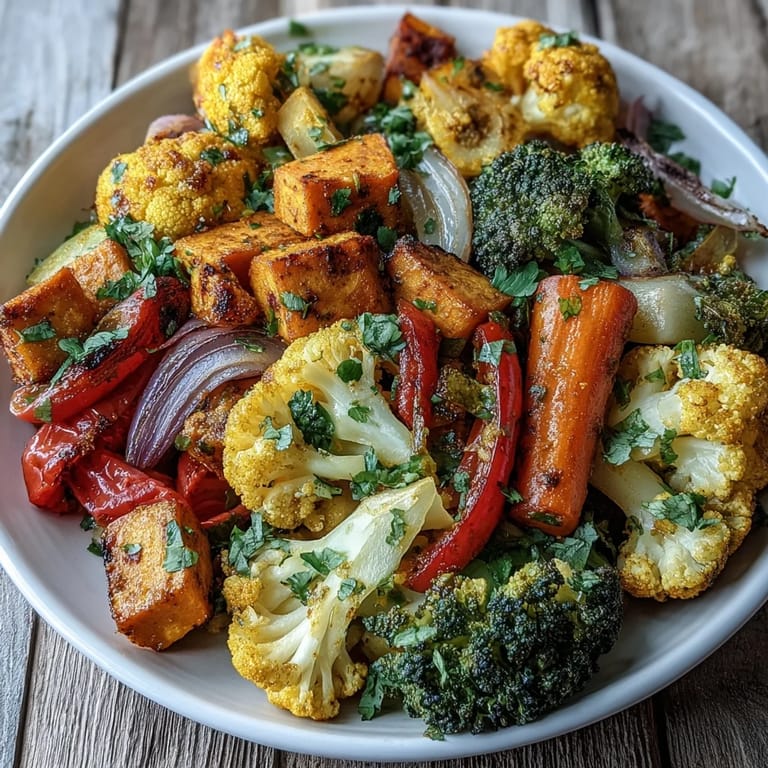
 My mom started eating this every week during her morning routine, and she actually felt less stiff and achy. We didn't make a big deal out of it at first, but somewhere between the third and fourth batch, she mentioned she'd been having an easier time getting out of bed. Food does so much more than fill our stomachs sometimes.
The Science Behind the Golden Spice
Turmeric gets all the health buzz for good reason - it contains curcumin, which has been studied for its anti-inflammatory properties. The roasting heat actually enhances the flavors and makes them more complex than raw spices would be. When you combine turmeric with black pepper and a little fat like olive oil, your body absorbs the good stuff so much more effectively than if you just sprinkled raw powder on cold food.
Seasonal Swaps That Actually Work
This recipe isn't precious about which vegetables you use - it's designed to work with whatever looks good at your market or farmers stand. Brussels sprouts get crispy and almost popcorn-like, butternut squash adds a creamy sweetness, and zucchini roasts into these tender slices that soak up all the spice. The key is keeping pieces roughly the same size so they finish at the same time.
Serving Ideas and Storage
This works beautifully as a standalone side, but it also makes an excellent base for grain bowls - pair it with quinoa, brown rice, or farro and a dollop of yogurt or tahini sauce. Leftovers keep well in the fridge for three or four days and actually taste even better as the spices continue to meld. You can reheat them gently in a low oven or eat them at room temperature, which makes this great for meal prep or packed lunches.
- Serve with a dollop of non-dairy yogurt or a squeeze of lime for extra brightness.
- Layer leftovers into grain bowls with protein and greens for a complete meal.
- Store in an airtight container for three to four days, and the flavors actually deepen as they sit.
 Pin It
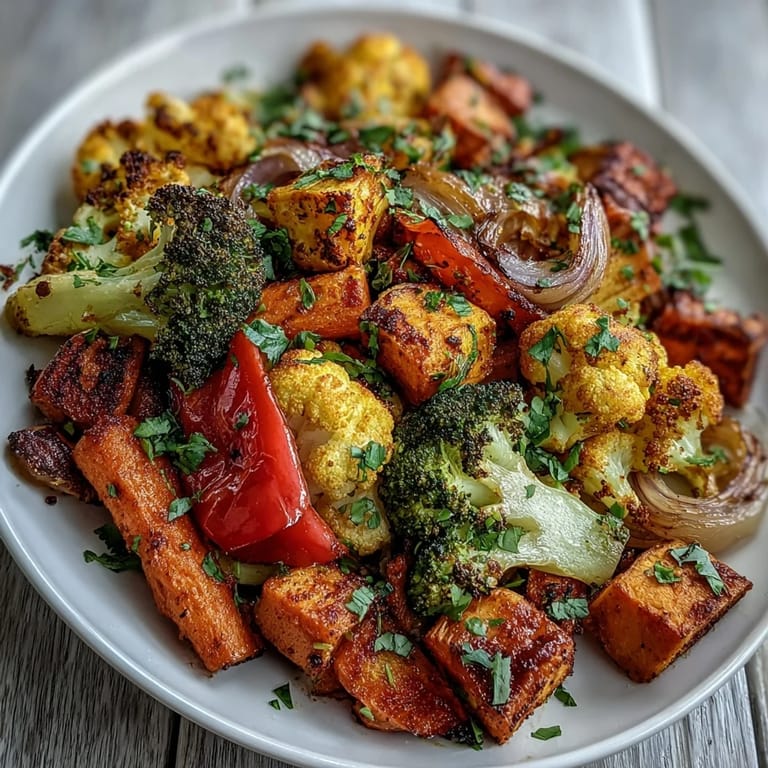
 This has become the dish I make when I want to nourish myself or feed someone I care about. There's something deeply grounding about a pan of roasted vegetables that smell like warmth and spice.
Recipe Questions & Answers
- → What vegetables work best for roasting with turmeric?
Hardy vegetables like cauliflower, broccoli, sweet potatoes, carrots, and bell peppers hold up beautifully during roasting. They absorb the turmeric spices while maintaining their texture through the high-heat cooking process.
- → How do I prevent the turmeric from staining?
Turmeric can temporarily stain surfaces and hands. Work on a cutting board you don't mind discoloring slightly, and wash your hands promptly after handling. The vibrant golden color on your vegetables is exactly what you want.
- → Can I prepare these vegetables ahead of time?
You can chop and coat the vegetables with the spice mixture up to 24 hours in advance. Store them in an airtight container in the refrigerator, then roast when ready. The flavors actually develop more depth during this marinating time.
- → What's the purpose of adding lemon juice at the end?
Fresh lemon juice adds brightness that cuts through the earthy spices and rich roasted flavors. It also helps your body absorb the beneficial compounds in turmeric, enhancing the anti-inflammatory properties.
- → How do I know when the vegetables are done roasting?
The vegetables are ready when they're tender when pierced with a fork and have golden-brown crispy edges. The natural sugars caramelize during roasting, creating deeper flavors and appealing color.
- → Can I use different spices if I don't have all the ingredients?
Absolutely. While turmeric provides the signature golden color, you can adjust the supporting spices. Garam masala, curry powder, or even just garlic powder and paprika work well as alternatives.